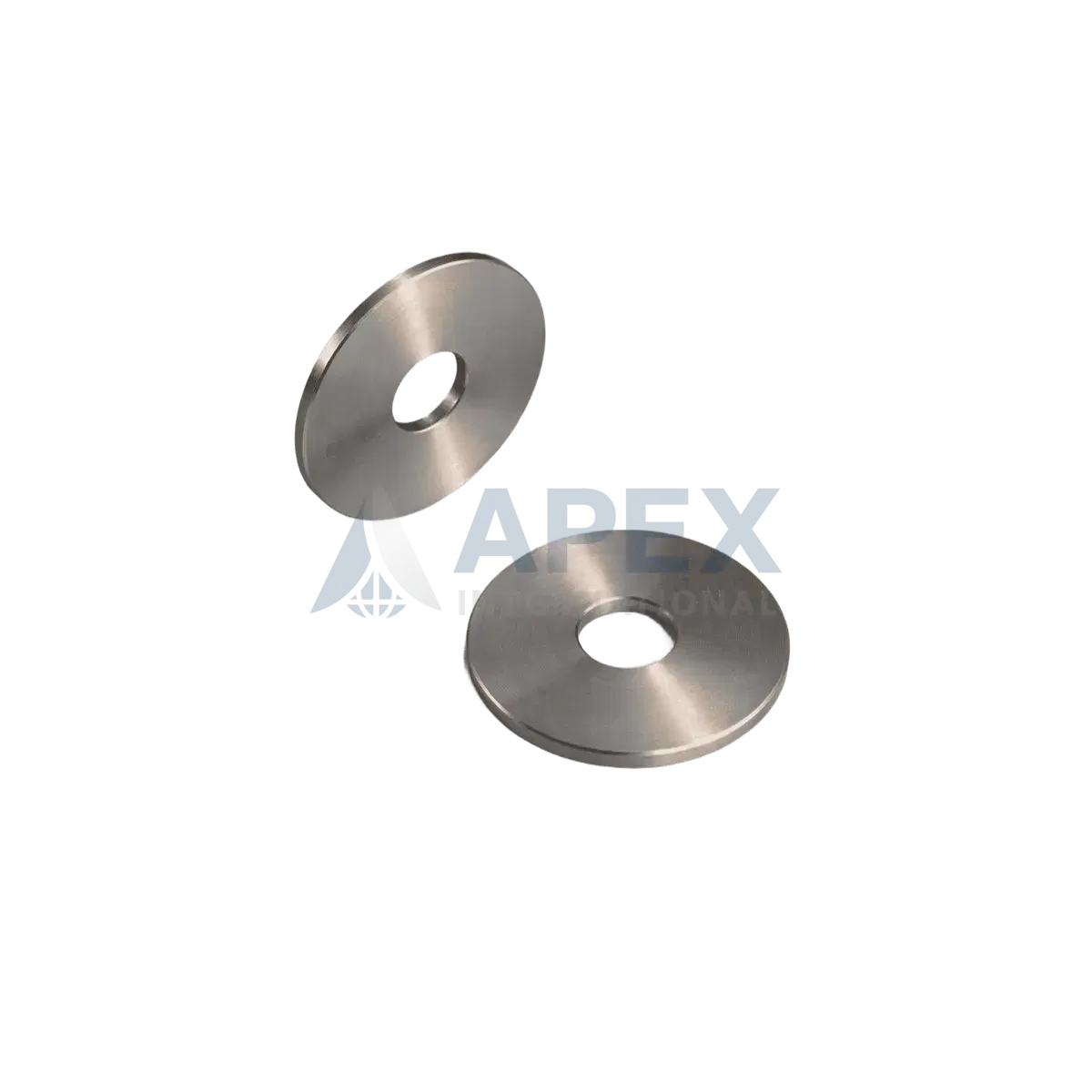
Washer Manufacturer & Supplier – EMD 645 & 710 Parts
Overview
It's easy to treat a washer as an afterthought, but on a locomotive diesel engine that runs continuous vibration and thermal cycling for years between overhauls, the wrong washer is a slow route to a loose fastener in a place you don't want one — a main bearing cap, a liner jumper, an accessory mount.
How It Works in the Engine
A correctly sized and hardened washer spreads clamping load evenly under the fastener head, resists the fastener backing off under vibration, and keeps torque retention consistent through the engine's duty cycle. Thickness, hardness, and outer diameter all have to match what the joint was designed around — an undersized or soft washer loses clamping force faster than the fastener itself does.
Signs You Need a Replacement
- Fastener that won't hold torque or backs off between inspections
- Visible crushing, coining, or deformation of the washer under the fastener head
- Corrosion or pitting reducing the washer's effective thickness
- Witness marks showing the load wasn't spread evenly across the mating surface
Why Source This From Apex International
Thickness and hardness are matched to the EMD/DLW reference part rather than a generic hardware-store equivalent, so clamping load holds through vibration and thermal cycling the way the original joint design intended.
- Engine Compatibility:
- EMD 645 & EMD 710 Series
- Applications:
- Locomotive · Marine · Power Generation
- Parts in category:
- 3
Search
Showing 3 parts
